Human beings are naturally drawn to the unknown, finding a unique sense of joy in situations where the final outcome remains a mystery. The traditional lucky wheel perfectly captures this mental fascination by combining basic mechanical rotation with an unpredictable distribution of prizes. It serves as an accessible bridge between deep personal curiosity and the ancient laws of pure chance.
The Psychology of Visual Realignment
When a colorful wheel is set into motion, the initial high-speed rotation instantly focuses human attention on a single moving target. As the pointer begins to slow down, the human brain experiences a natural spike in cognitive engagement and emotional anticipation. This micro-moment of waiting often delivers more psychological fulfillment than the actual reward received at the end.
Furthermore, the physical or digital layout displays all potential outcomes simultaneously, keeping participants completely aware of the possibilities. This total transparency sparks genuine curiosity and creates a safe environment for lighthearted exploration. Individuals enjoy the straightforward nature of the game, which requires absolutely no historical training or complex calculations to appreciate.
How Digital Platforms Adapt Classic Concepts
Modern software developers have elevated these traditional carnival concepts into highly immersive online experiences through advanced graphic design. High-definition interfaces, localized sound profiles, and dynamic multi-layered features ensure that every separate rotation feels entirely distinct. These visual updates amplify the overall dramatic tension without overcomplicating the underlying gameplay loop.
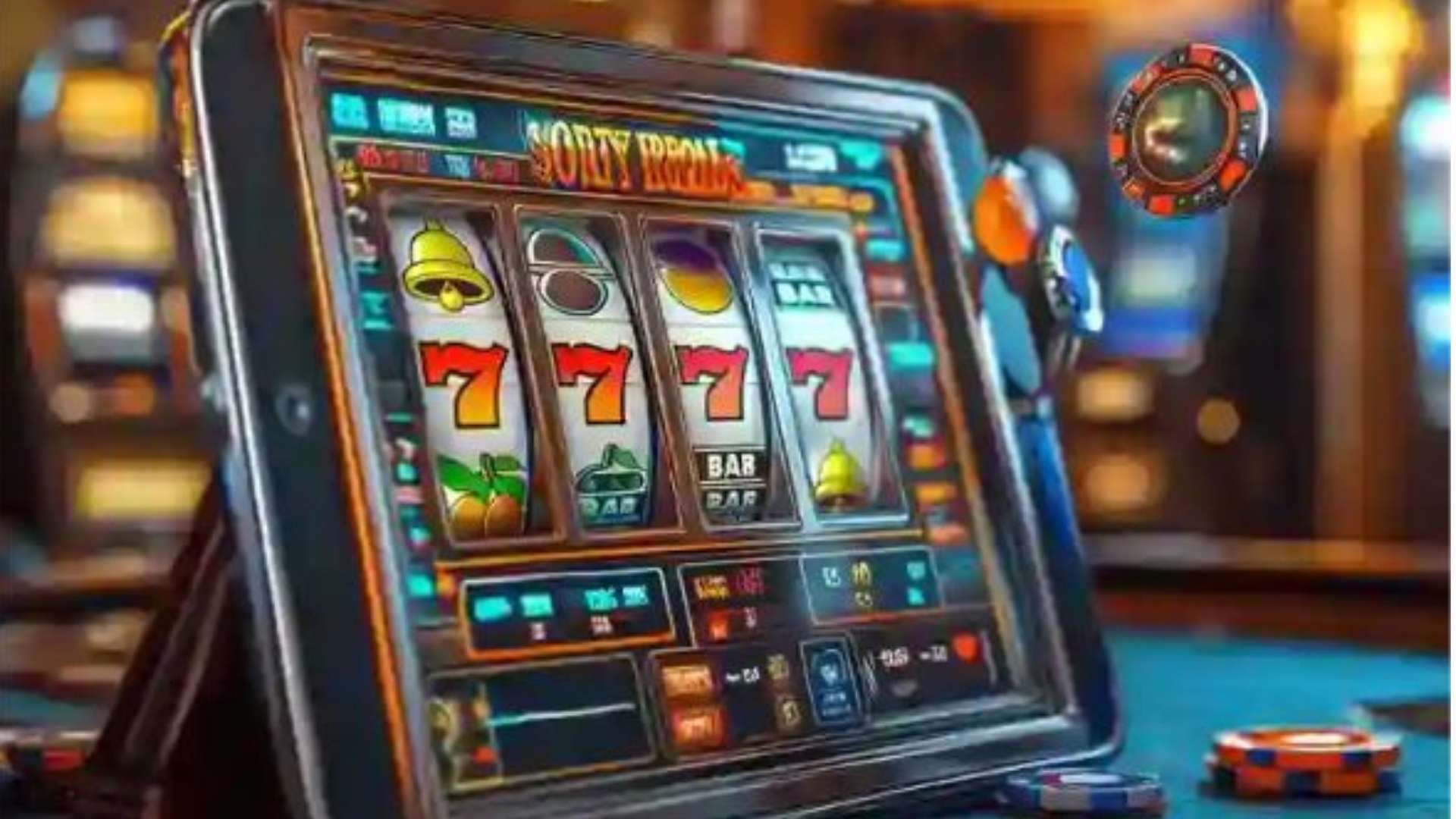
Many popular platforms now integrate these randomized choice systems directly alongside their existing traditional entertainment catalogs. For instance, modern platforms featuring a diverse m88 slot selection utilize active wheel mechanics to provide instant variety for casual users. This creative combination keeps the overall gaming experience fresh while respecting the simple heritage of early arcade mechanics.
Balancing Random Distribution with Transparency
The structural layout of a modern prize wheel serves as its absolute foundational anchor, converting a basic choice of probability into an active user journey. By splitting a rotating disc into distinct visible sectors, designers can establish long-term consumer trust through visual openness. Participants feel more comfortable interacting with systems where the overall rules are laid out clearly in front of them.
Beyond basic transparency, the actual composition of the incentives has undergone a major necessary transformation over the past decade. Modern layouts frequently mix standard points, rare mystery multipliers, and secondary bonus features to keep everyday audiences thoroughly engaged. This careful balance ensures that every participant feels respected throughout their casual entertainment session.
The Future Horizon of Interactive Selection
As consumer technology continues to shift toward deeper personal immersion, random reward games are projected to evolve alongside virtual interfaces. Future iterations may allow individuals to customize their own visual themes or interact physically with holographic wheels in real time. This ongoing technological progression will likely strengthen digital community bonds by turning passive streaming into a shared live activity.
Ultimately, the timeless relationship between curiosity and random distribution ensures that the classic lucky wheel format remains universally popular. Its elegant simplicity provides a relaxing escape from overly demanding strategy titles while maintaining a high level of sensory feedback. By focusing on balanced mechanics and artistic design, creators guarantee that the excitement of the next turn never fades.