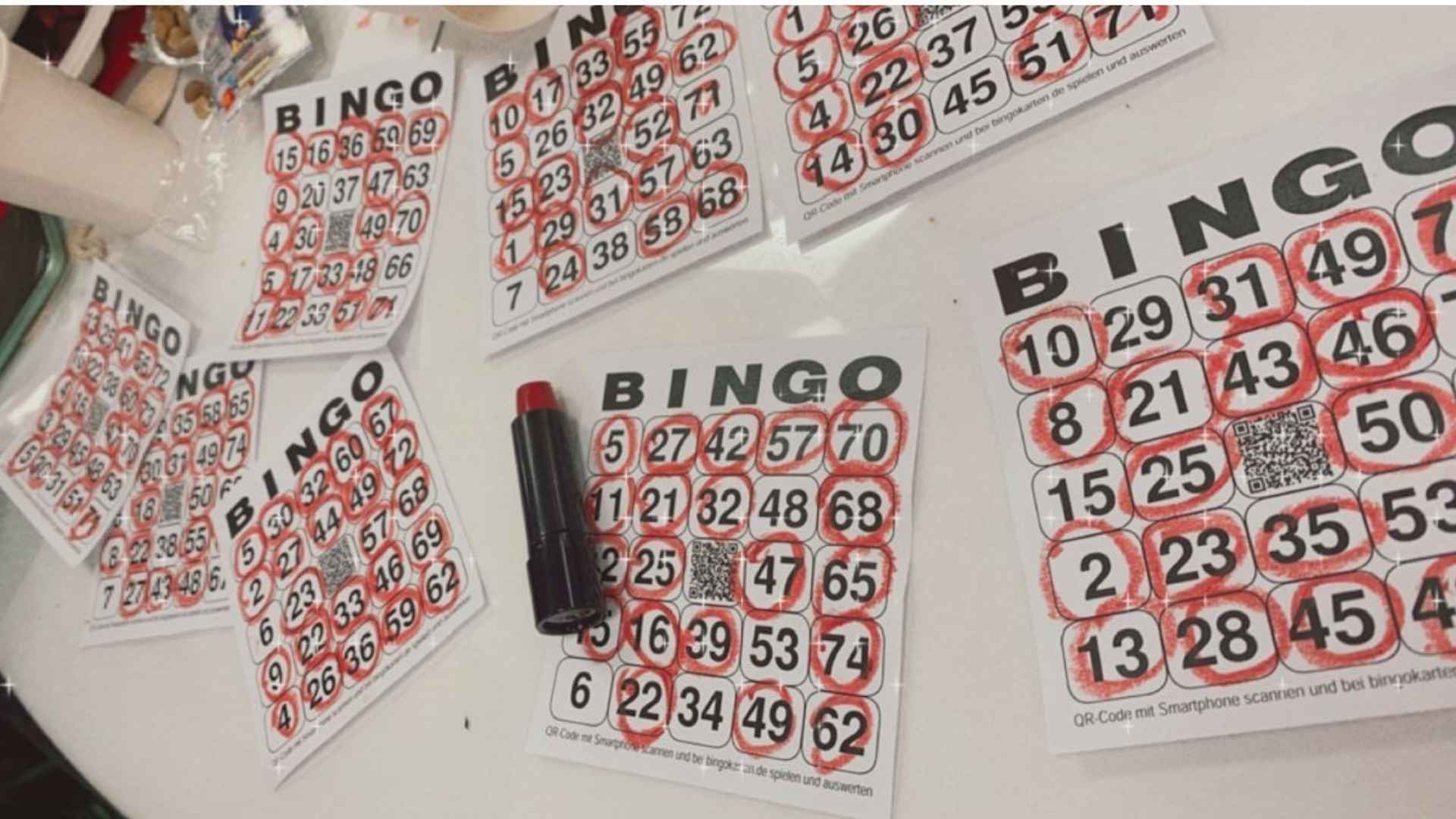
The human brain is remarkably adaptable, possessing an innate capacity to reorganize and strengthen its pathways in response to targeted exercise. Engaging with numerical puzzles provides an excellent, structured method for individuals seeking to enhance their intellectual faculties and problem-solving capabilities. By stepping outside of daily passive routines, players can actively challenge their working memory and cognitive agility through mathematical problem-solving.
The Mechanisms of Cognitive Enhancement
When you solve complex logic grids or sequence challenges, your prefrontal cortex works to process multiple rules simultaneously. This intensive activity directly exercises operational memory, helping individuals process daily information much faster and with greater accuracy. Over time, regular mental workouts build neural resilience and preserve structural pathways that contribute to long-term cognitive well-being.
Furthermore, these analytical activities introduce players to systematic frameworks that discourage impulsive decisions. By learning to weigh multiple possible variations before finalizing a step, individuals naturally cultivate patience and deductive precision. The clarity gained from overcoming these digital tasks extends beyond the screen into practical administrative and daily organization skills.
Selecting the Right Numerical Puzzles
The digital world offers a diverse ecosystem of platforms designed to cater to various logical skill levels and mathematical preferences. Beginners often find success starting with basic grid alignments or arithmetic equations that emphasize deductive reasoning rather than rapid calculation. Finding an interactive environment that matches your current comfort level ensures steady progression without early burnout.
For those interested in exploring diverse options, utilizing a dependable M88 link can provide access to engaging mathematical platforms and strategy discussions. Engaging with varied puzzle genres keeps the brain actively learning new structural sets rather than repeating familiar routines. Adapting to fresh rule variations is fundamental for building superior cognitive flexibility.
Long Term Impact on Neurological Health
Participating in structured logic puzzles serves as a valuable protective measure against early age-related mental decline. Neurological studies indicate that continuous intellectual stimulation keeps brain networks active and flexible throughout adulthood. Dedicating a few minutes every morning to solving patterns helps clear the mind and builds a lasting framework for memory retention.
In addition to cognitive preservation, completing a difficult numerical grid triggers a satisfying feeling of accomplishment that lowers daily stress levels. This unique combination of relaxation and active engagement makes numerical entertainment an ideal lifestyle choice for balanced wellness. Developing a consistent habit guarantees a sustainable journey toward advanced mental performance and long-term sharpness.