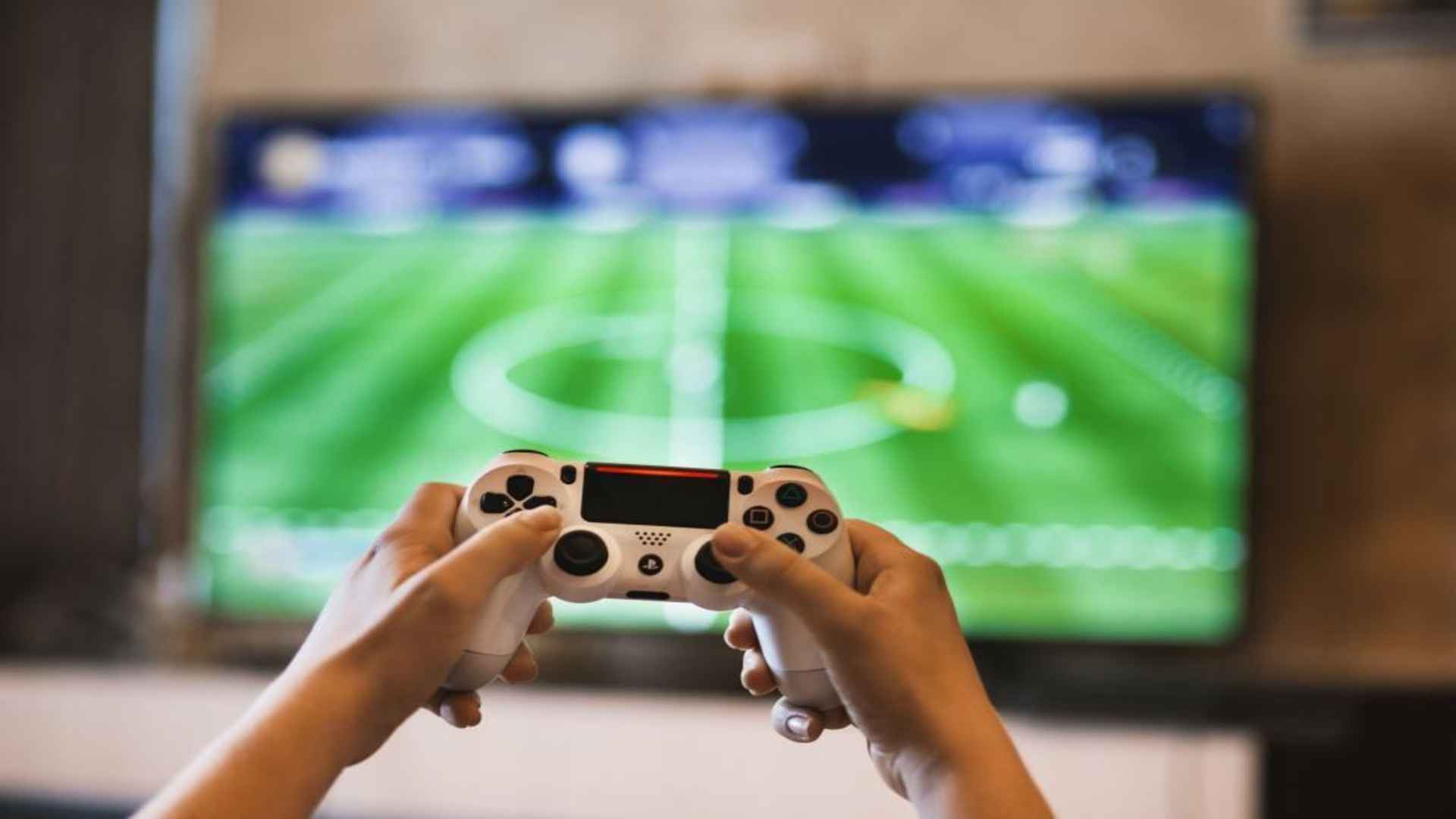
The global gaming landscape has shifted dramatically, transforming handheld devices from simple distraction tools into powerful engines of personal development. Modern players increasingly seek out mobile titles that challenge their strategic thinking, refine their reflexes, and encourage long-term self-improvement. By framing high-stakes gameplay around structured ladders and persistent skill building, developers are changing how we perceive portable digital entertainment.
The Psychology of Mobile Matchmaking and Progress
Competitive mobile games succeed because they tap into our innate desire for mastery and measurable achievement. Well-designed ranking systems pair players against similarly skilled opponents, creating a balanced feedback loop that keeps engagement high. This structured challenge encourages gamers to analyze their mistakes, refine their strategies, and strive for continuous daily progress.
Unlike casual games that rely on repetitive mechanics, skill-based platforms demand cognitive adaptability and real-time problem-solving. Every victory or defeat offers a clear lesson, helping players develop resilience and mental fortitude. These psychological benefits extend far beyond the virtual arena, positively influencing how individuals tackle real-world obstacles.
Tactical Depth in Portable Arenas
The complexity of today's mobile strategy games and multiplayer battle arenas rivals traditional desktop experiences. Modern touchscreen titles force players to manage limited resources, track opposing movements, and coordinate complex maneuvers under pressure. This demanding environment requires sharp critical thinking and an ability to read dynamic, fast-changing situations.
Developing high-level mastery requires dedicated research, study of metagames, and constant mechanical practice. Many ambitious competitors regularly seek out an M88 link to access advanced community discussions, expert guides, and tactical breakdowns. Engaging deeply with these external analytical resources helps players refine their personal playstyles and climb competitive ranks much faster.
Teamwork and Collaborative Evolution
Many of the most popular competitive mobile titles emphasize cooperative gameplay over solitary achievements. Thriving in team-oriented matches requires robust verbal coordination, role specialization, and mutual trust among squad members. This collaborative environment teaches players how to communicate efficiently and support their peers during high-pressure situations.
Overcoming tough opponents alongside teammates fosters a strong sense of community and shared responsibility. Individuals learn to subordinate their personal goals for the collective success of their group, mirroring real-world professional dynamics. This social component adds immense depth to the competitive experience, making collective milestones feel genuinely rewarding.
Nurturing Long-Term Esports Ambitions
The expansion of mobile esports has created clear professional pathways for exceptionally dedicated players. Accessible tournament structures allow grassroots talent to showcase their skills on regional levels, bridges the gap between casual play and professional leagues. Knowing that persistent practice can lead to recognition and career opportunities motivates players to approach their training with serious discipline.
Even for those who play purely for leisure, the pursuit of competitive excellence provides a healthy structured outlet. It fosters an admirable growth mindset, teaching individuals that talent is cultivated through effort, patience, and persistent refinement. Ultimately, mobile games serve as convenient modern arenas where anyone can cultivate a stronger, more resilient version of themselves.